Read blog articles about PORTUGALIA
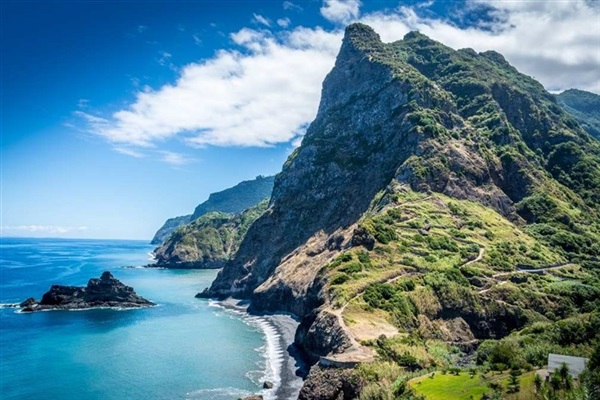
Madeira este o insulă portugheză din Atlantic, potrivită pentru turiștii care vor peisaje incredibile, trasee, faleze, sate, piscine naturale, grădini tropicale și drumuri care urcă rapid din oraș spre munte. Vacanța aici are alt ritm decât un sejur clasic de plajă, pentru că insula te împinge să te miști, să urci, să cobori, să mergi pe lângă levade, să te oprești în puncte de belvedere și să accepți că vremea se poate schimba de mai multe ori într-o singură zi. Read more recommendations »
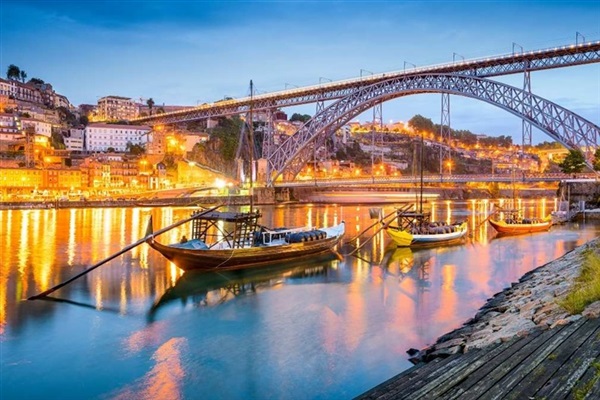
Porto este un oraș potrivit pentru un city break lent, cu străzi în pantă, case colorate, poduri peste Douro, crame de vin, tramvaie vechi, biserici acoperite cu azulejos și restaurante în care mesele pot deveni partea cea mai plăcută a zilei. Nu are dimensiunea Lisabonei, iar acest lucru îl face mai ușor de parcurs în câteva zile, mai ales dacă îți alegi cazarea aproape de centru sau de o stație bună de transport. Read more recommendations »

Lisabona este un oraș construit pe coline, cu străzi în pantă, tramvaie galbene, puncte de belvedere, fațade acoperite cu azulejos, piețe largi, cartiere vechi și lumină foarte bună pentru plimbări. Pentru un city break de câteva zile, capitala Portugaliei are avantajul unui ritm ușor de adaptat: poți începe dimineața într-un cartier istoric, poți lua prânzul lângă râu, iar seara poți ajunge într-un miradouro sau într-un restaurant mic unde se mănâncă pește, fructe de mare și deserturi locale. Read more recommendations »

Toamna este momentul ideal pentru a explora Europa, când mulțimile de turiști s-au rărit, temperaturile sunt mai blânde, iar peisajele sunt învăluite într-o mantie de culori calde. Dacă ești în căutarea unor destinații deosebite, departe de locurile aglomerate, am pregătit pentru tine o listă cu cinci locuri pe care merită să le descoperi în această toamnă. Read more recommendations »

Lisabona, Algarve, Obidos, Sintra, Madeira, Porto, Evora și Aveiro sunt doar cateva dintre marile atractii ale Portugaliei. Descopera cele mai frumoase atractii naturale de aici si hai sa le vizitezi cu prima vacanta in Portugalia. Read more recommendations »
Tourist attraction PORTUGALIA
Portugalia > Obiective turistice > Catedrale

Viseu Cathedral is the main Catholic church of Viseu and is located in the historic centre, on a raised area containing several religious buildings and monuments. The present structure was built and altered over different periods, resulting in a combination of Romanesque, Gothic, Manueline and Baroque elements. The main façade has two towers, while the interior contains naves, chapels, altars and a choir decorated during different phases. The cloister is one of the notable sections, with arcades and carved architectural details. The Grão Vasco Museum and Igreja da Misericórdia are located nearby. The cathedral remains an active place of worship and is also open to visitors outside religious services. Read more details »
Portugalia > Obiective turistice > centre/cartiere vechi

Viana do Castelo is a historic city in northern Portugal, located where the Lima River reaches the Atlantic Ocean. Its old centre contains pedestrian streets, squares, decorated townhouses, churches and buildings dating from the medieval period to the 19th century. Praça da República is one of the main areas in the city, surrounded by the old town hall, a Renaissance fountain and Igreja da Misericórdia. Viana do Castelo is also known for its maritime traditions, port, shipbuilding history and the traditional clothing associated with the Minho region. Above the city stands the Sanctuary of Santa Luzia, which can be reached by road, on foot or by funicular. From the hill, visitors can see the historic centre, the Lima River, the Atlantic coastline and the surrounding countryside. Read more details »
Portugalia > Obiective turistice > Lacuri si Baraje

Sete Cidades is a volcanic area in the western part of São Miguel Island, best known for Lagoa Azul and Lagoa Verde, two lakes located inside a large caldera. The lakes are separated by a narrow road and are supplied mainly by rainfall and springs. On clear days, the water can appear in different shades of blue and green, influenced by light, depth and surrounding vegetation. The village of Sete Cidades also lies inside the caldera, together with several walking routes, scenic roads and viewpoints. Miradouro da Vista do Rei is one of the best-known places for views over both lakes and much of the caldera. The area is used for hiking, cycling, kayaking and road trips. Read more details »
Portugalia > Obiective turistice > Parcuri si rezervatii naturale

Serra de São Mamede Natural Park is a protected area in eastern Alentejo, close to the Spanish border. The park includes mountains, forests, valleys, grasslands and historic villages, while its higher elevations and greater rainfall distinguish it from the drier parts of the wider Alentejo region. The highest point is Pico de São Mamede, which reaches approximately 1,025 metres. Vegetation includes cork oak, chestnut, oak woodland and Mediterranean scrub, while wildlife includes wild boar, roe deer, birds of prey and many smaller species. Towns such as Marvão and Castelo de Vide lie within the wider park area and are known for their historic centres and fortifications. Hiking routes cross forests, villages and mountain areas, and several viewpoints provide views over the Alentejo plains and nearby Spanish territory. Read more details »
Portugalia > Obiective turistice > Gari

São Bento Railway Station is a historic railway station in central Porto, best known for the azulejo panels covering the walls of its main hall. The present building was constructed in the early 20th century on the site of the former São Bento de Avé-Maria Convent and opened for rail traffic in 1916. The interior contains around 20,000 ceramic tiles designed by artist Jorge Colaço, showing scenes from Portuguese history, rural life and the development of transport. The station remains in active use and serves regional and suburban trains, including services towards Braga, Guimarães and the Douro Valley. Its main façade includes Beaux-Arts influences, while the central location provides easy access to Avenida dos Aliados, Porto Cathedral and the Ribeira district. Read more details »
Portugalia > Obiective turistice > Sit arheologic

The Roman Temple of Évora is an ancient monument located in the historic centre of Évora in the Alentejo region. It was built during the Roman period, most likely in the 1st century AD, when the city was known as Liberalitas Julia. Part of the original podium, granite columns and Corinthian marble capitals survive today. The temple formed part of the monumental centre of the Roman city and stood close to the forum. During later centuries, the ruins were incorporated into other buildings and used for different purposes, which helped preserve part of the structure. In the 19th century, later additions were removed and the monument was restored. The temple stands close to Évora Cathedral and several other historic buildings in the city centre. Read more details »
Portugalia > Obiective turistice > Locuri pitoresti

Porto Moniz Natural Swimming Pools are saltwater pools developed among volcanic lava formations on the north-western coast of Madeira. The volcanic rocks form natural barriers against the Atlantic Ocean, while seawater enters the pools and is continuously renewed. The complex has approximately 3,800 square metres of swimming area and contains sections of different depths, a children's pool and areas for sunbathing. Steps, platforms and walkways provide access to the water, while facilities include changing rooms, showers, a bar and a first-aid post. During periods of rough sea conditions, access to some sections may be restricted. The pools are located directly in Porto Moniz and are among the best-known bathing areas on Madeira. Read more details »
Portugalia > Obiective turistice > Chei

Portas de Ródão is a gorge formed by the Tagus River near Vila Velha de Ródão in central Portugal. Here, the river passes through a narrow section between two rocky walls rising more than 150 metres above the water. The formation developed through long-term erosion as the river cut through the surrounding rock. The area is also known for bird colonies nesting on the cliffs, including griffon vultures and other birds of prey. Portas de Ródão can be seen from nearby walking routes and viewpoints or from the water during boat trips on the Tagus. The area is protected as a natural monument and also contains archaeological remains and evidence of human activity from different historical periods. Read more details »
Portugalia > Obiective turistice > Locuri pitoresti

Ponta dos Capelinhos is a volcanic coastal area at the western end of Faial Island in the Azores. Much of the present landscape was created during the 1957-1958 Capelinhos eruption, when volcanic activity that began offshore produced new land that later became connected to the island. The area contains large surfaces of volcanic ash and rock, steep slopes and very little vegetation in the most recent sections. One of the main landmarks is the old Capelinhos lighthouse, built before the eruption and now standing farther from the shoreline than it did when first constructed. The Capelinhos Volcano Interpretation Centre is located nearby and presents information about the eruption and the volcanic formation of the Azores. Ponta dos Capelinhos can be explored on foot along routes crossing the volcanic terrain and leading towards viewpoints on the coast. Read more details »
Portugalia > Obiective turistice > Trasee montane

Ponta de São Lourenço is a narrow, rocky peninsula at the eastern end of Madeira Island, known for a hiking route crossing a landscape very different from the rest of the island. The area has low vegetation, steep slopes, volcanic cliffs and several viewpoints over the Atlantic Ocean. The main trail begins at Baía d'Abra and continues along the peninsula, with repeated climbs and descents, stairways and sections exposed to strong winds. Along the route, visitors can see volcanic formations in red, brown and black tones, together with small bays and nearby islets. Vegetation is adapted to much drier conditions than those found in central and northern Madeira. Ponta de São Lourenço forms part of a protected natural area and is one of the island's best-known coastal walks. Read more details »
Portugalia > Obiective turistice > Munti

Pico da Vara is a mountain in the eastern part of São Miguel Island in the Azores. At approximately 1,103 metres, it is the highest point on the island. The surrounding area is covered by dense vegetation and forms part of a protected territory important for the conservation of São Miguel's native forests. The area is also home to the Azores bullfinch, an endemic bird found only in this part of the island. The summit is reached by mountain trails passing through woodland, shrub-covered areas and frequently wet terrain. Rain and fog are common, and some sections can become muddy and slippery. On clear days, the route provides views over the mountains, valleys and eastern coast of São Miguel. Read more details »
Portugalia > Obiective turistice > Trasee montane

Paiva Walkways is a pedestrian route along the Paiva River near Arouca in northern Portugal. The trail is approximately 8 kilometres long and crosses an area of rocky slopes, woodland, river beaches and narrow sections of the valley. Much of the route consists of wooden walkways and stairways built beside the river and across areas with significant elevation changes. Viewpoints, rest areas and access points to some sections of the river are available along the way. The 516 Arouca suspension bridge is located nearby. The route forms part of Arouca Geopark and is known for its geological landscape and constant proximity to the Paiva River. Read more details »
Portugalia > Obiective turistice > Cladiri istorice

Palácio da Bolsa is a historic building in central Porto, located close to São Francisco Church and the Ribeira district. It was constructed during the 19th century for the Porto Commercial Association after a fire destroyed part of the former Franciscan convent that had occupied the site. The interior is known for rooms decorated in different styles, monumental staircases, paintings, sculpture and detailed wood and plaster work. The best-known room is the Arab Room, decorated with motifs inspired by Islamic architecture. Other areas include the Courtyard of Nations, the Tribunal Room and spaces once used for commercial and administrative activities. The palace can be visited on organised tours and is still used for official and cultural events. Read more details »
Portugalia > Obiective turistice > Cladiri istorice

The Palace of the Dukes of Braganza is a noble residence in Guimarães, built during the 15th century for Afonso, the first Duke of Braganza. The building has an inner courtyard, towers, granite walls and high roofs with numerous chimneys. After a long period of decline, the palace underwent extensive restoration during the 20th century and was opened to visitors. The interior contains furniture, tapestries, weapons, ceramics, paintings and other decorative objects from different periods. Some rooms are arranged to show the functions of an aristocratic residence, while others are used for exhibitions. The palace stands close to Guimarães Castle and the Chapel of São Miguel do Castelo, within an area containing several monuments connected with the city's history. Read more details »
Portugalia > Obiective turistice > Muzee

The National Tile Museum is a museum in Lisbon dedicated to the history of Portuguese decorative ceramic tiles known as azulejos. It occupies the former Madre de Deus Convent, founded in the early 16th century, and its collection follows the development of tile art from the 15th century to the present day. Displays include decorative panels, individual tiles, religious compositions and examples produced in different techniques and artistic styles. One of the museum's major exhibits is a large panoramic panel showing Lisbon before the 1755 earthquake. Visitors can also see the church of the former convent, decorated with azulejos, gilded woodwork and paintings. Read more details »
Portugalia > Obiective turistice > Munti

Mount Pico is a volcano on Pico Island in the Azores and reaches an elevation of 2,351 metres. It is the highest mountain in Portugal and the highest point in the archipelago. The volcano has a clearly defined conical shape, with a main crater near the summit and a smaller cone known as Piquinho. The ascent follows a steep mountain trail across volcanic ground, loose rocks and sections with considerable elevation gain. On clear days, the summit provides views towards Faial and São Jorge islands as well as large parts of Pico Island. Access to the route is controlled, and the number of people on the mountain at the same time may be limited. Weather conditions can change quickly, with cloud, wind and rain reducing visibility even during summer. Read more details »
Portugalia > Obiective turistice > Parcuri si rezervatii naturale

Montesinho Natural Park is a protected area in north-eastern Portugal, close to the Spanish border, around the towns of Bragança and Vinhais. The park covers more than 70,000 hectares and includes mountains, forests, grasslands, rivers and traditional villages. Wildlife includes the Iberian wolf, wild boar, roe deer and several birds of prey. Vegetation consists of oak woodland, chestnut trees, shrubs and agricultural areas used by local communities. The park contains hiking trails, rural roads and villages with stone houses, some of which still preserve traditional architectural features. Montesinho is mainly visited for nature, wildlife observation and walks through relatively undeveloped areas. Read more details »
Portugalia > Obiective turistice > Sit arheologic

Miróbriga is a Roman archaeological site located near Santiago do Cacém in southern Portugal. The settlement developed during the Roman period on the site of an earlier community and remained occupied for several centuries. The excavated area contains the foundations of houses, paved streets, public baths, temples and other buildings connected with everyday life. One of the most interesting features is the hippodrome, located outside the main urban area and used for chariot racing. The bath complex was supplied by a water system and contained rooms maintained at different temperatures. Miróbriga provides information about the organisation of a small Roman urban centre in the province of Lusitania and can be visited together with the nearby museum and interpretation centre. Read more details »
Portugalia > Obiective turistice > Cladiri istorice

Mateus Palace is a Baroque residence near Vila Real in northern Portugal. The building was constructed during the first half of the 18th century for the Sousa Botelho family and is attributed to Italian architect Nicolau Nasoni. Built mainly from granite, the palace has a symmetrical façade with exterior staircases, balustrades and carved decoration. Inside are furnished rooms, wooden ceilings, paintings, decorative objects and a library. The estate also contains formal gardens, clipped hedges, paths, a lake and vineyards. A chapel forming part of the same architectural complex stands beside the palace. The property remains connected with the Mateus family, while parts of the residence and gardens are open to visitors. Read more details »
Portugalia > Obiective turistice > Cladiri istorice

Livraria Lello is a historic bookshop in central Porto, opened in its present building in 1906. It is known for its richly decorated interior, with a central staircase, galleries, stained glass and carved elements in wood and plaster. The façade combines Neo-Gothic and Art Nouveau details, while the interior was designed around a central open space and extensive bookshelves. The shop remains an active bookseller but has also become a major visitor attraction. Entry is ticketed, and the ticket value can, under certain conditions, be used towards the purchase of a book. Livraria Lello is located within a short walk of Clérigos Church and other landmarks in Porto's historic centre. Read more details »
Portugalia > Obiective turistice > Trasee montane

Levada do Caldeirão Verde is a hiking route in northern Madeira, starting in the Queimadas area near Santana. The trail follows a levada built to transport water and passes through laurel forest, rock-cut tunnels, narrow valleys and damp cliff sections. Its main destination is Caldeirão Verde, where a waterfall drops into a pool at the base of a high rock wall. The route has relatively little elevation change overall, but includes narrow sections and several tunnels where a torch is useful. The ground can be wet or slippery, and parts of the path run close to steep slopes. The trail is known for its dense vegetation and the many small streams and waterfalls visible along the route. Read more details »
Portugalia > Obiective turistice > Trasee montane

Levada das 25 Fontes is a hiking route in the Rabaçal area of western Madeira. The trail follows a levada built to transport water and passes through humid woodland, narrow valleys and sections of Laurisilva vegetation. Its main destination is 25 Fontes, where several springs descend over a rocky wall into a natural pool. The route includes narrow sections, steps and passages where two people may find it difficult to pass each other, although it does not require technical climbing. The trail starts near the Paul da Serra plateau and can be combined with a detour to Risco Waterfall. It is one of Madeira's best-known levada walks and can become busy, particularly during the first part of the day. Read more details »
Portugalia > Obiective turistice > Parcuri si rezervatii naturale

The Laurisilva of Madeira is a humid subtropical forest covering a significant part of the island's mountainous areas. It consists mainly of evergreen trees and shrubs adapted to high humidity and frequent rainfall. The forest is considered a surviving remnant of vegetation that once covered large areas of southern Europe and North Africa. It contains numerous endemic species of plants, birds and invertebrates, while rivers, waterfalls and levadas cross many parts of the landscape. The largest sections are found in northern and central Madeira. The Laurisilva of Madeira was inscribed on the UNESCO World Heritage List in 1999. Read more details »
Portugalia > Obiective turistice > Locuri pitoresti

The Landscape of the Pico Island Vineyard Culture is a traditional agricultural area in the Azores, known for its small vineyard plots divided by walls made from volcanic stone. These walls, locally known as currais, protect the vines from strong winds and salt carried from the Atlantic. Vine growing developed here from the 15th century onwards on difficult terrain covered largely by solidified lava. The best-known areas are located around Madalena and São Roque do Pico. The landscape also contains old wine cellars, storage buildings, narrow roads and small harbours once used to transport wine. The area was inscribed on the UNESCO World Heritage List in 2004 because of the way local agriculture was adapted to the island's volcanic terrain and oceanic climate. Read more details »
Portugalia > Obiective turistice > Lacuri si Baraje

Lagoa do Fogo is a volcanic lake in the central part of São Miguel Island in the Azores. It lies inside the caldera of the Fogo volcano at an elevation of more than 500 metres and is surrounded by steep, vegetation-covered slopes. The lake formed as a result of volcanic activity and contains freshwater supplied mainly by rainfall and springs. The surrounding area is protected, with very limited development, which preserves the natural character of the caldera. Several viewpoints are located along the road crossing the higher part of the area, while some walking trails descend towards the shore. Access may be restricted during certain periods, particularly in the busiest season, to reduce traffic and protect the site. Read more details »
Portugalia > Obiective turistice > Sinagogi

Kadoorie Synagogue is located in Porto and is the main place of worship of the Jewish Community of Porto. Also known as the Kadoorie Mekor Haim Synagogue, the building was inaugurated in 1938 and takes its name from the Kadoorie family, who provided financial support for its construction. The exterior has a monumental façade with architectural details influenced by Oriental and North African styles, while the interior contains the main prayer hall, galleries and decoration using Jewish symbols. The synagogue remains an active place of worship and is used for religious services and community activities. The building also includes spaces presenting the history of Jewish life in Porto and elements of Jewish religious tradition. Read more details »
Portugalia > Obiective turistice > centre/cartiere vechi

The Historic Centre of Guimarães is the old part of the city of Guimarães in northern Portugal and contains squares, narrow streets, medieval houses and buildings from different periods. The city has major importance in Portuguese history because several events connected with the formation of the kingdom took place here during the 12th century. Major points of interest include Largo da Oliveira, Praça de Santiago, former noble residences and streets lined with arcades and traditional façades. The centre preserves many buildings combining timber structures, granite masonry and enclosed balconies. Guimarães Castle and the Palace of the Dukes of Braganza are located nearby. The historic centre was inscribed on the UNESCO World Heritage List in 2001, and the protected area was extended in 2023 to include the Couros Zone. Read more details »
Portugalia > Obiective turistice > Catedrale

Guarda Cathedral is located in the centre of Guarda and is one of the main religious buildings in the region. Construction of the present structure began in the late 14th century and continued during the following centuries, resulting in a combination of Gothic and Manueline elements. The exterior is built mainly from granite and includes towers, buttresses and tall windows. Inside, the cathedral is divided into several naves with stone vaults and side chapels. One of its main features is the stone high altarpiece, created in the 16th century and decorated with religious sculptures. The cathedral underwent several alterations and restoration works over time but has retained its role as an episcopal seat and continues to be used for religious services and ceremonies. Read more details »
Portugalia > Obiective turistice > Pesteri

Grutas da Moeda is a limestone cave complex located near São Mamede, a few kilometres from Fátima. The caves were discovered in 1971 and are open to visitors along an underground route equipped with stairs, walkways and lighting. Inside, visitors can see stalactites, stalagmites, columns and other formations created by the gradual deposition of calcite. The route passes through several chambers of different shapes and sizes, while the deepest section open to the public is more than 40 metres below the surface. The temperature remains relatively stable throughout the year. An interpretation centre near the entrance presents information about rocks, fossils and geological processes. Grutas da Moeda lies in a region known for its karst landscape and can easily be included in a visit to the Fátima area. Read more details »
Portugalia > Obiective turistice > Lacuri si Baraje

Furnas Lake is a volcanic lake in the eastern part of São Miguel Island in the Azores. It lies inside the Furnas caldera, an area known for thermal springs, fumaroles and geothermal activity. The shores are covered with vegetation, while walking trails and observation points are available around the lake. One section of the shore is used to prepare the traditional cozido das Furnas using natural heat from the ground. Steam and small pools of hot water can also be seen nearby, and the smell of sulphur is noticeable in some areas. The lake can easily be visited together with the village of Furnas and the other geothermal attractions in the region. Read more details »
Information about Portugal

Portugal, located in the western end of Europe, has become in recent years sought tourist destination due to quality services offered by local tourism. With a climate perfect holiday season, hospitality people, beautiful beaches along the Atlantic Ocean but also the beauty of historical towns and villages picturesque accommodate thousands of tourists annually hotels seaside villas and pensions but also in developing rural tourism and tourism industrialized areas. Holidays packages and prices, special offers, early booking, well-organized transport plane, line or low cost, or coach Increased online bookings for holidays in Portugal is that they are oriented to the surrounding resorts of the south or to the villages north where rural tourism is booming. A mini holiday city break in Lisbon or Porto will reveal the beauty of centuries-old history and architecture, culture and art of hospitality and tasting Portuguese wines. If you prefer a holiday full of sun, however you can choose Madeira and the Azores or why not a package tour including monuments and archaeological sites in Portugal.
What do I do for a reservation?
Direct Booking is a travel agency that works through an online booking portal. We offer you more than 100,000 travel offers transportation included or just accommodation at the best prices. All our offers are available online and can be accessed by simply using the search engine Search destination or hotel but advanced search filters.
To make a reservation just use search engine Search destination or hotel , set your input data and the offers displayed choose the best offer for you.
To check availability place an order using the Book or More room under tariff shown, so your order will be sent to our suppliers services to confirm availability required farm and later we release invoice.
Order placed will not involve anything financially than later if you want to complete the booking and pay for your booking proforma to become firm.
Once issued invoice may be paid at our office in Bucharest, at any branch of Unicredit Tiriac or BT in the country or online by card.
Accommodation in Portugal, Last Minute Offers in Portugal, 2026 - 2027 offers for Portugal, special offers for Portugal, 2026 - 2027 Portugal offers, travel offers in Portugal, 2026 - 2027 stays in Portugal, tourism in Portugal, holidays and vacations in Portugal, cheap vacations in Portugal, rent villas in Portugal, all inclusive Portugal, last minute Portugal, charters Portugal, apartments Portugal, Portugal bus travel, fly to Portugal, booking Portugal, directbooking.ro Portugal, Portugal accommodation, early booking Portugal, Portugal trip, hotels Portugal individually Portugal


